Signs Your Deck Needs to Be Restained
Noticing signs your deck needs to be restained, like fading or splintering, helps homeowners connect with local contractors who can restore and protect their deck’s appearance.
Property owners in the area who enjoy outdoor living often rely on their decks for gatherings, relaxation, and enjoying the surroundings. Over time, exposure to the elements can cause signs that a deck needs to be restained, such as fading color, peeling, or a rough texture underfoot. Recognizing these indicators early can help maintain the deck’s appearance and longevity, making it a worthwhile topic for homeowners looking to preserve their outdoor spaces. Local contractors who specialize in deck restaining can assess these signs and provide the necessary services to refresh and protect the wood, ensuring the deck remains a safe and attractive feature of the property.
Keeping an eye out for visible wear and tear is especially important for property owners aiming to extend the life of their decks. Common signs include discoloration, graying, or the presence of splinters and cracks. When these issues arise, professional restaining services can restore the deck’s original beauty while adding a layer of protection against further damage. Exploring these signs and understanding when to seek expert help can empower homeowners to maintain their decks effectively, with local service providers ready to assist in bringing new life to outdoor spaces.
- Deck restaining - when fading or discoloration become visible, local contractors can assess whether a fresh stain is needed to restore the surface.
- Deck restaining - if the wood appears weathered or worn, experienced service providers can determine if restaining will protect against further damage.
- Deck restaining - peeling or flaking stain signals that a new application is necessary, and local pros can prepare and apply the right finish.
- Deck restaining - when water no longer beads on the surface, service providers can recommend restaining to improve water resistance.
- Deck restaining - if mold, mildew, or algae growth is present, local contractors can clean and restain to help improve the deck’s appearance and longevity.
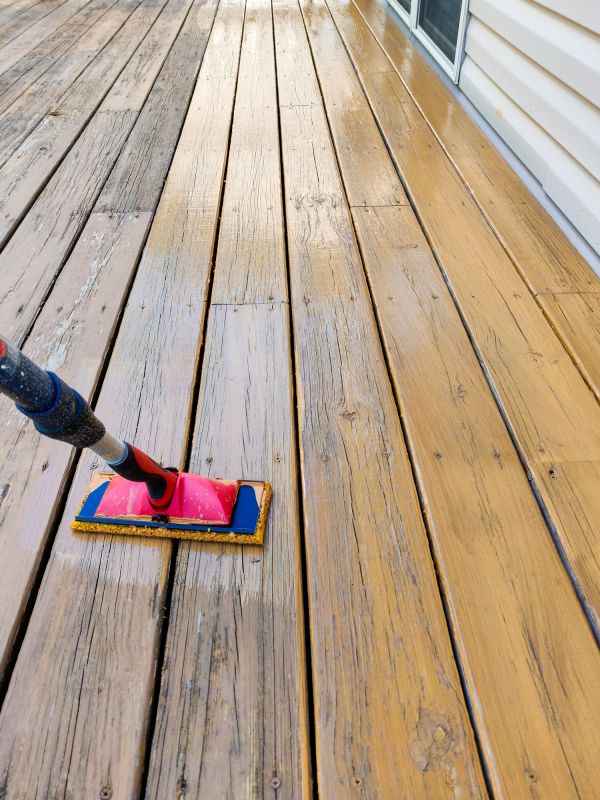
When homeowners search for signs their deck needs to be restained, they are typically trying to determine whether their outdoor wood surface is still protected or if it’s time for a refresh. Over time, exposure to sunlight, rain, and foot traffic can cause the stain to fade, peel, or wear away, leaving the wood vulnerable to damage. Recognizing these signs early can help prevent more extensive repairs or replacement down the line. Many property owners look for visual cues that indicate the current stain is no longer providing the intended protection, often because they want to maintain the appearance and longevity of their deck without risking costly repairs later.
This topic often relates to broader plans for maintaining outdoor living spaces, especially for those who take pride in their home’s curb appeal. Homeowners might notice that their deck’s color has dulled or that the surface appears patchy, which can be a sign that the stain has broken down. Additionally, if the wood feels rough or dry to the touch or if water no longer beads on the surface, these are common indicators that the protective layer has diminished. Such issues can prompt plans to either re-stain the deck or explore other options for restoring its look and durability. Local contractors who specialize in deck restoration can assess these signs and recommend appropriate solutions to keep the outdoor area looking attractive and protected.
The types of properties that typically come up in discussions about signs your deck needs to be restained include residential homes, especially those with wooden decks, porches, or patios. These properties often feature outdoor spaces used for relaxation and entertainment, making their maintenance important for both aesthetics and safety. Decks that are exposed to direct sunlight or frequent weather changes tend to show signs of deterioration sooner. In some cases, homeowners with older decks may notice more pronounced issues, such as deep cracks or splintering, which can also indicate that the existing stain no longer provides adequate protection. Local service providers experienced in deck restaining can evaluate these properties and help determine if a refresh is necessary.
Understanding the signs your deck needs to be restained helps homeowners plan for regular upkeep and avoid more costly repairs. When the stain begins to peel, flake, or fade unevenly, it’s a clear sign that the protective layer has worn out. Water absorption is another key indicator-if water soaks into the wood instead of beading up, the stain may have lost its effectiveness. Additionally, a significant loss of color or a dull appearance can suggest that the stain has degraded over time. Recognizing these signs allows property owners to reach out to local contractors who can provide expert advice and professional restaining services. Properly maintained decks not only look better but also last longer, making timely intervention an important part of outdoor space care.
Fence Painting and Staining - Similar skills are required for preparing and applying protective finishes, making fence projects a related service that also benefits from proper surface assessment.
Wood Deck Repair - Repairing and restoring wood surfaces involves surface preparation and understanding wood conditions, which are essential steps before restaining a deck.
Outdoor Furniture Refinishing - Refinishing outdoor wood furniture shares techniques in sanding, staining, and sealing, aligning with the skills needed for deck restaining.
Patio Surface Restoration - Restoring and sealing various patio surfaces often involves similar planning and surface preparation as deck restaining projects.
Siding Restoration Services - Cleaning, repairing, and preparing siding surfaces for finishing work parallels the steps in maintaining and restoring decks.
Porch and Balcony Maintenance - Maintaining and refinishing porch and balcony woodwork involves surface assessment and prep skills similar to those used in deck restaining.
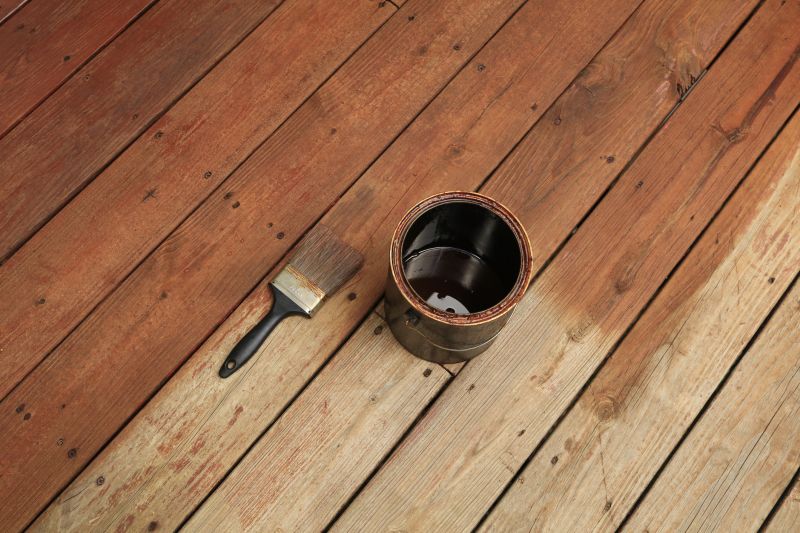
When evaluating potential service providers for deck restaining, it is important to consider their experience with similar projects. Homeowners should inquire about how many decks they have worked on that resemble their own in size, material, and condition. An experienced contractor will have a clearer understanding of the specific challenges that can arise during restaining, such as surface preparation or weather considerations, and will be better equipped to deliver a quality result. Checking for a history of completed projects similar to the scope of work can help ensure the contractor has the practical knowledge needed to handle the job effectively.
Clear written expectations are essential when comparing local contractors for deck restaining services. Homeowners should seek detailed proposals that outline the scope of work, including surface preparation, the type of stain or finish to be used, and the number of coats to be applied. Having these expectations documented helps prevent misunderstandings and provides a basis for comparing quotes objectively. Reputable service providers will be transparent about their process and will be willing to discuss the specifics of what the project entails, ensuring that both parties are aligned before work begins.
Good communication and reputable references are key factors when selecting a contractor for deck restaining. Homeowners should look for service providers who are responsive to questions and willing to provide references from past clients. Speaking with previous customers can offer insights into the contractor’s reliability, professionalism, and the quality of their work. A contractor who maintains open lines of communication and can provide credible references demonstrates a commitment to customer satisfaction and accountability. This level of transparency and responsiveness can help build confidence that the project will be managed smoothly and meet expectations.
Property owners often search for signs your deck needs to be restained when they are planning practical projects around their homes and businesses. Local pros provide Deck Restaining services for everyday jobs and straightforward project options.
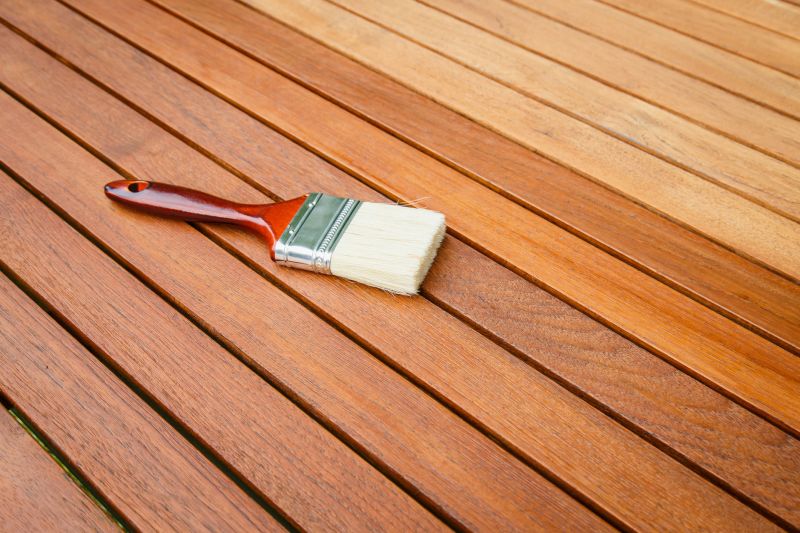
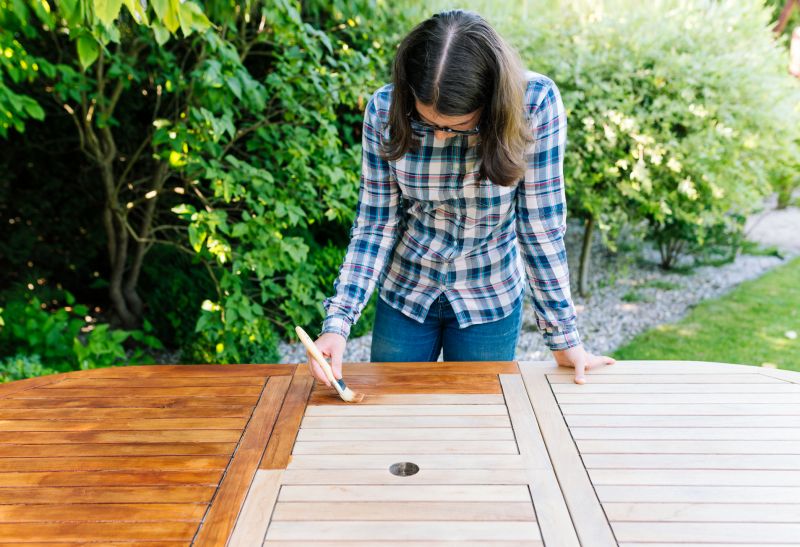
Over time, the appearance of a deck can reveal signs that it may need to be restained. Fading or uneven coloration is a common indicator, especially after seasons of exposure to sun and weather. If the stain looks washed out or patchy, property owners often consider reaching out to local contractors who specialize in deck restoration. Additionally, if the wood starts to feel rough or develops small cracks and splinters, it might be a sign that the existing stain has worn away, leaving the surface vulnerable to further damage. Recognizing these signs early can help property owners maintain the beauty and integrity of their decks, and local service providers are available to handle the restaining process when needed.
What are common signs that a deck needs to be restained? Fading, peeling, or cracking stain, as well as gray or dull appearance, indicate that a deck may need to be restained by local contractors.
How can I tell if the stain on my deck is no longer providing protection? If water no longer beads on the surface or absorbs quickly, it suggests the stain has worn off and a restaining service might be needed.
What physical signs on the wood suggest it’s time for a new stain? Visible splinters, rough texture, or areas where the stain has entirely disappeared are signs that a deck needs to be restained by local service providers.
Are there visual cues that indicate the stain has failed? Discoloration, uneven color, or areas where the stain has peeled or flaked off are clear indicators for a professional restaining service.
How do I know if my deck's wood is exposed and vulnerable? When the stain no longer covers the wood evenly or the wood appears weathered and gray, it’s time to consider hiring local pros for restaining.
Faded or dull appearance - noticing your deck looks washed out or less vibrant can indicate it’s time to restain, and local contractors can refresh its look.
Peeling or cracking finish - signs of peeling or cracking paint or stain suggest the existing finish is failing, and professional restaining can restore protection.
Visible water damage or stains - water spots or stains that don’t dry quickly may mean the stain has worn away, making restaining a practical solution.
Uneven color or blotchiness - patchy or uneven coloring can be a sign to have a professional restain for a more uniform and appealing appearance.
If you are thinking about signs your deck needs to be restained for a property, this guide is meant to help you understand this topic, the typical project types, and how different options might fit your plans.
When you are ready, you can use the quote form on this page to share a few details about your project. From there, local pros can review the basics and follow up with options that match what you have in mind.